

October 24, 2023
Displacement crises around the world continue to uproot millions of families, stripping them of their homes, livelihoods, and stability. While emergency humanitarian aid is critical in the immediate aftermath of a crisis, the long-term well-being of displaced populations requires a shift toward sustainable programs that foster self-reliance and resilience.
The Shift from Relief to Resilience
Traditional aid models often focus heavily on short-term relief, such as food distributions and temporary shelter. While these interventions save lives, they can sometimes create cycles of dependency. Sustainable programming, on the other hand, bridges the gap between emergency response and long-term development. By equipping displaced individuals with marketable skills, access to education, and economic opportunities, we empower them to rebuild their lives with dignity.
Key Pillars of Our Sustainable Programs
- Livelihood Training and Microfinance: Providing vocational training in fields such as agriculture, digital literacy, and craftsmanship enables participants to generate their own income. Coupled with micro-grants, many displaced entrepreneurs are successfully launching small businesses.
- Educational Continuity for Children: Disrupted education is one of the most devastating impacts of displacement. Our programs establish safe learning environments, provide school supplies, and offer psychosocial support to help children heal and thrive.
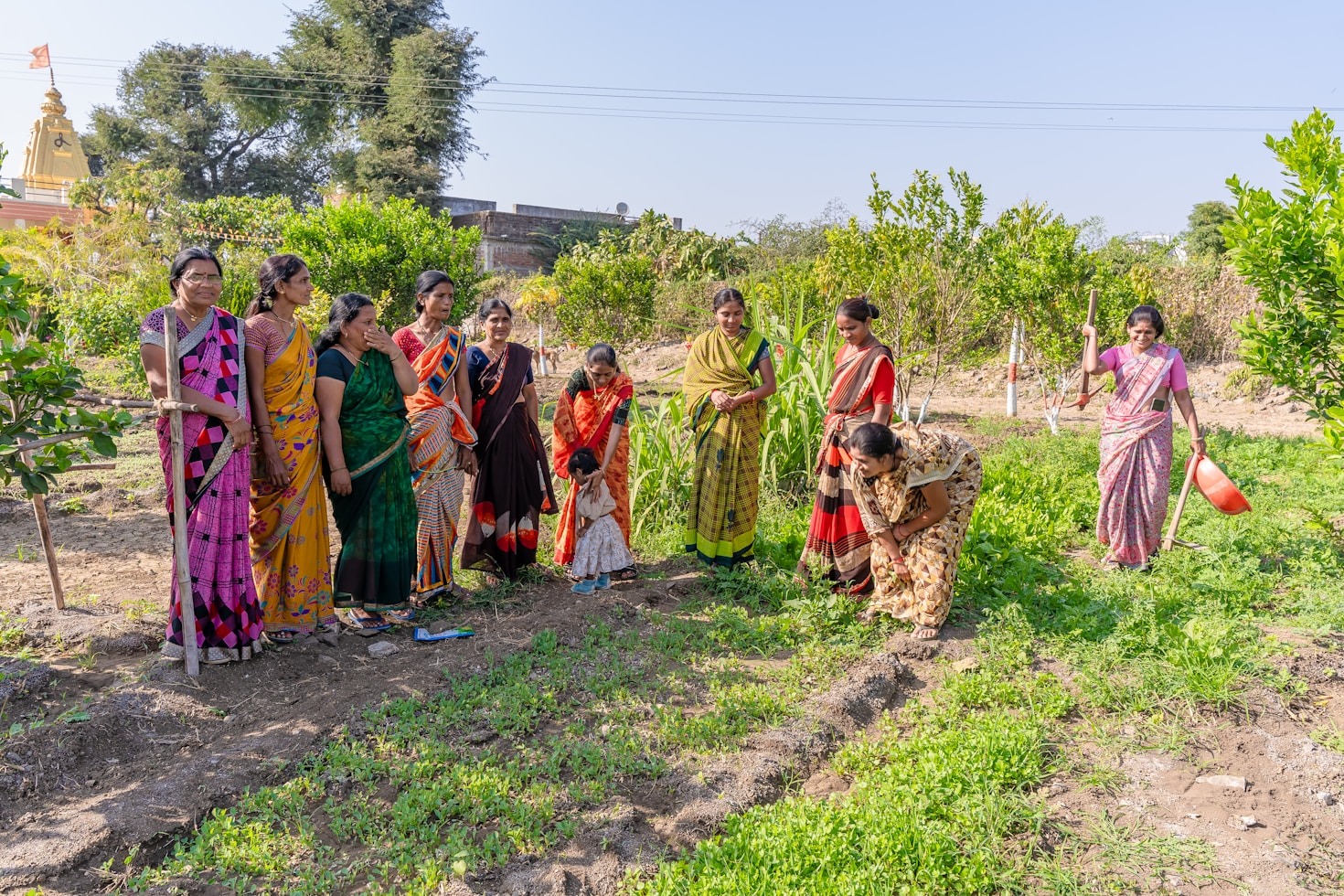
- Community-Led Agriculture: In many host communities, food security remains a pressing challenge. We support community gardens and sustainable farming initiatives that not only provide nutritious food but also foster cooperation between displaced families and local residents.
- Mental Health and Psychosocial Support (MHPSS): Healing the invisible wounds of trauma is essential for active participation in community life. Our programs integrate counseling and support groups to help families process their experiences and build emotional resilience.
Success Stories: Rebuilding from the Ground Up
Take, for instance, the journey of Amina, a mother of three who arrived at a settlement two years ago with few belongings and immense uncertainty. Through our agricultural livelihood initiative, she received training in drip-irrigation farming and seeds to start a plot. Today, not only is she able to feed her family nutritious vegetables, but she also sells her surplus at the local market, funding her children’s schooling.
How You Can Help
Sustainable programs require time, resources, and community collaboration to create lasting change. You can support displaced families by:
- Donating to our long-term resilience and skills-training funds.
- Volunteering your professional expertise for remote mentorship programs.
- Raising awareness about the importance of durable solutions for refugees and internally displaced persons.
Together, we can move beyond temporary fixes and help displaced families lay the foundations for a secure, prosperous, and self-sufficient future.
As you move toward the midpoint of the article, this paragraph provides an opportunity to connect earlier ideas with new insights. Use this space to present alternative perspectives or address potential questions readers might have. Strike a balance between depth and readability, ensuring the information remains digestible. This section can also serve as a transition to the closing points, maintaining momentum as you steer the discussion to its final stages.
Wrapping Up with Key Insights
In this concluding paragraph, summarize the key takeaways from your article, reinforcing the most important ideas discussed. Encourage readers to reflect on the insights shared, or offer actionable advice they can apply in their own lives. This is your chance to leave a lasting impression, so make sure your closing thoughts are impactful and memorable. A strong conclusion not only ties the article together but also inspires readers to engage further.
Leave a Reply