250
Active Members
5
Days in Campaign
470
Cabinets Members
1754
Dedicated Donors
VISION DE GM
Key Objectives in Agricultural Development and Food Security

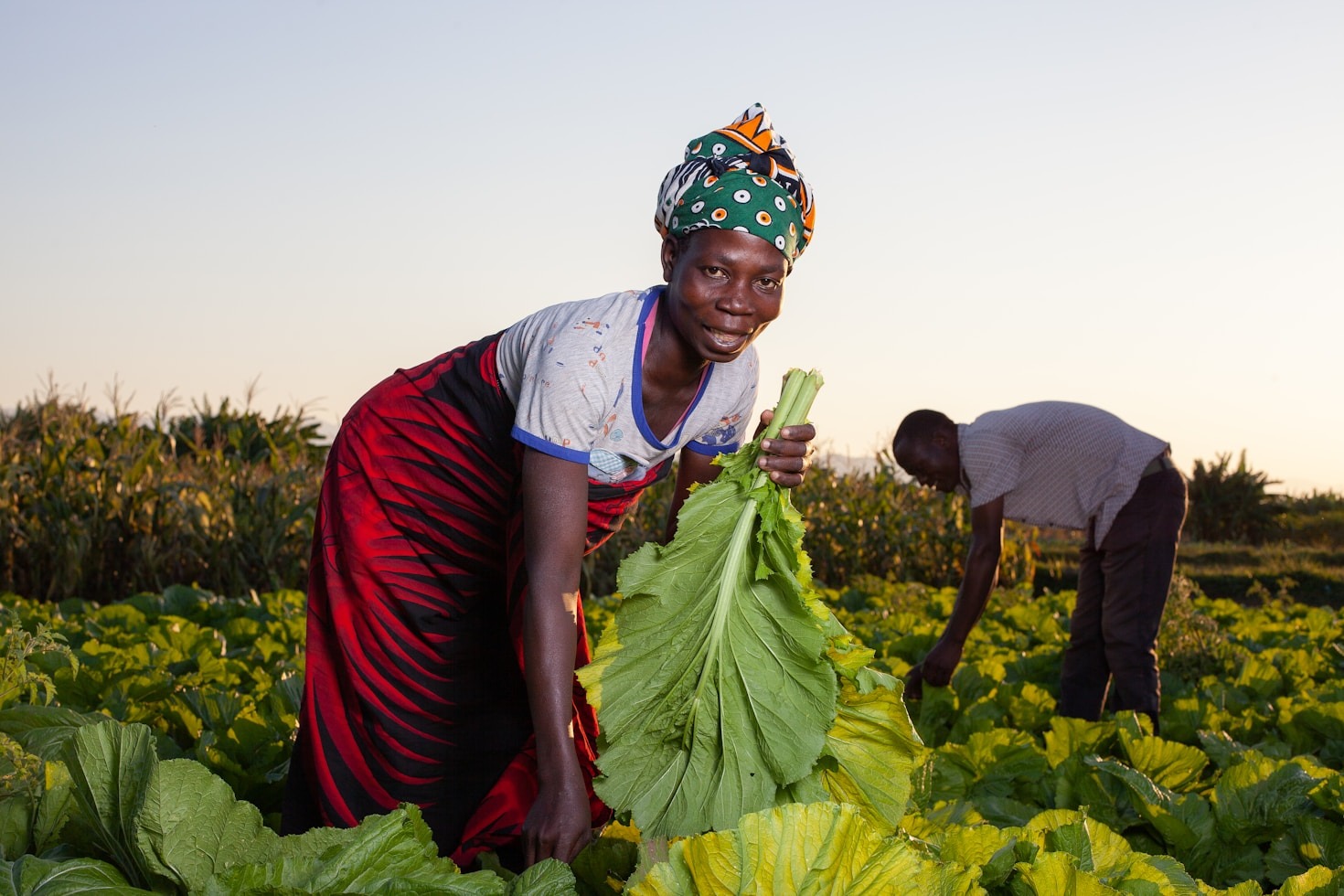
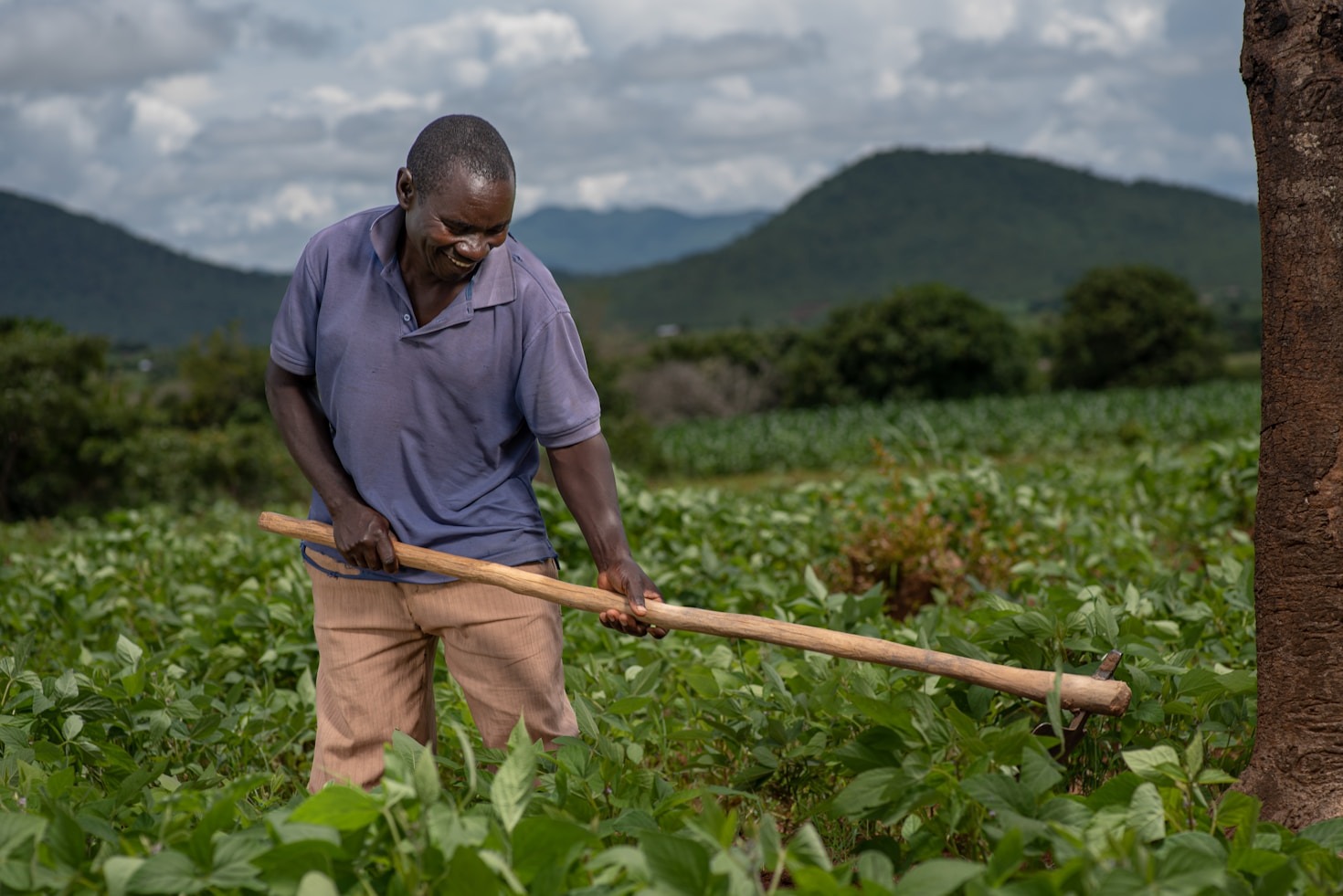
Sustainable Agricultural Practices:
GM works with farmers to promote climate-
smart, sustainable agricultural practices, such as agroforestry, conservation tillage,
and organic farming. The goal is to reach 20,000 smallholder farmers by 2030,
increasing productivity and enhancing food security in rural areas.


Nutrition Education and Food Diversification:
GM offers nutrition education
programs aimed at improving dietary diversity and food preparation methods. By
promoting the cultivation of nutrient-dense crops and educating families on proper
nutrition, GM seeks to reduce malnutrition rates, particularly among children under
five and pregnant women.

Post-Harvest Management and Market Access:
GM provides farmers with training
in post-harvest handling, storage, and value-added processing techniques. The goal is to reduce food loss and increase market access, ultimately improving the income and food security of rural households. GM aims to create 100 agricultural small
cooperatives by 2030, enhancing

Support for Vulnerable Populations:
GM’s programs specifically target women, youth, and displaced populations by offering vocational training, income-generating
activities, and access to microfinance. This holistic support aims to create economic
opportunities and improve food security for these vulnerable groups. Resilience to Climate Change: GM aims to promotes the
Our Skills
Current Humanitarian Context in South and North Kivu Provinces
The South and North Kivu provinces, situated in the eastern part of the Democratic Republic of Congo (DRC), have been enduring years of armed conflict. The ongoing violence has deeply impacted local communities, causing widespread isplacement, food insecurity, and a breakdown in essential services. The humanitarian needs in these regions are acute, with millions of people displaced by the conflict, often living in overcrowded camps or host communities with limited access to basic services. The violence has also led to severe violations of human rights, including sexual violence, forced recruitment, and exploitation. Armed groups continue to control strategic territories, hindering the delivery of humanitarian aid and contributing to the lack of access to critical services, such as water, sanitation, health care and access to non-food Items. Vulnerable groups, including women, children, persons with disabilities, and the elderly, bear the brunt of the conflict and are at heightened risk of exploitation and abuse. Despite these challenges, local and international humanitarian organizations, including Groupe Milima, have been working tirelessly to provide life-saving aid, including access to clean water, essential non-food items, and protection services for the most vulnerable populations.
Our Blog
Our Latest News
-
Explore Our Stunning Gallery
Explore Our Stunning Gallery This section highlights a curated collection of images showcasing the beauty and essence of your offerings.
-
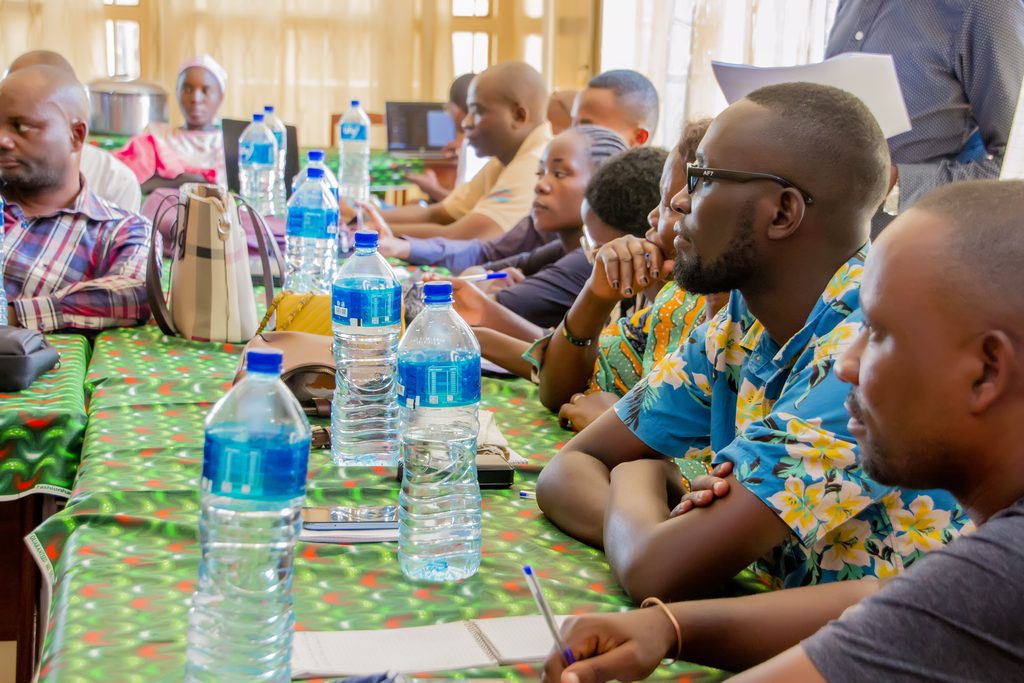
Innovative Agricultural Techniques For Local Farmers
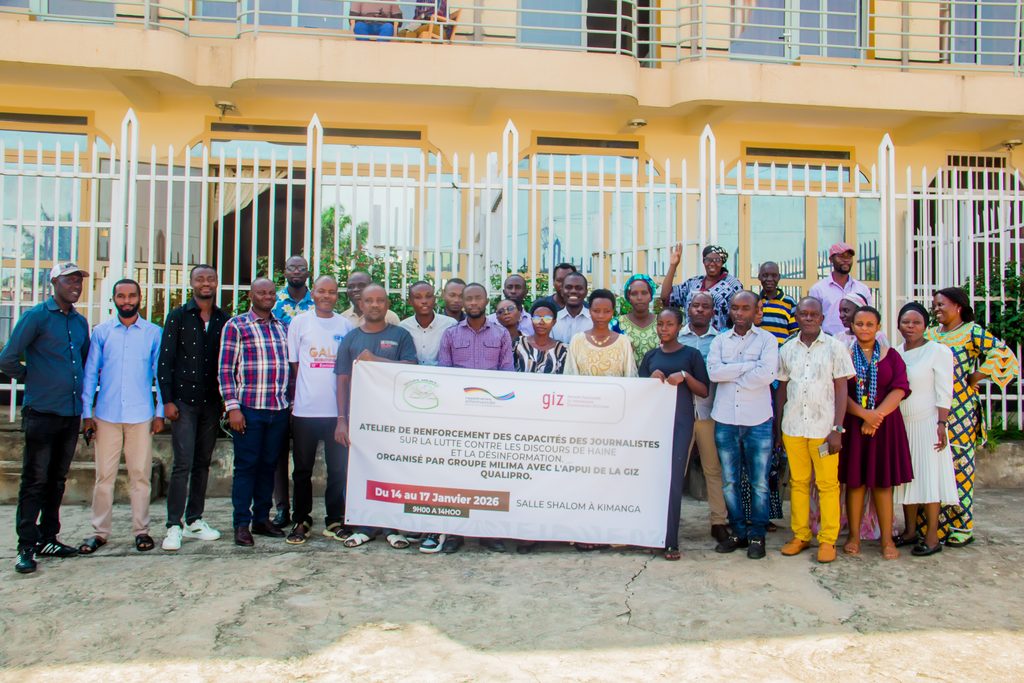
Groupe Milima, avec l’appui financier de la GIZ à travers le projet QUALIPRO, a organisé du 14 au 17 janvier…
-
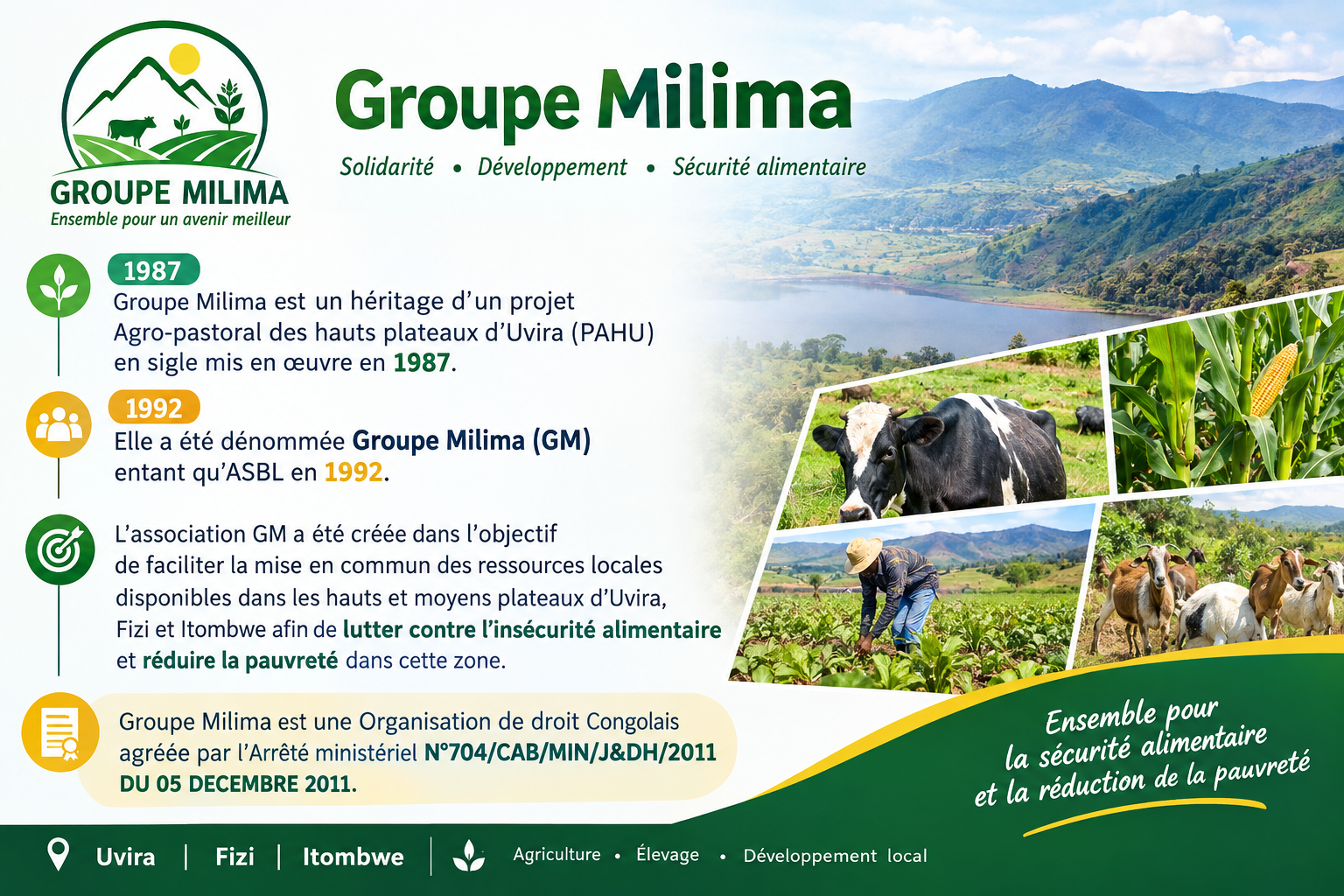
HISTORY OF GROUP MILIMA SINCE 1992
Since its founding in 1992, Groupe Milima (GM) has remained steadfast in its commitment to improving the lives of vulnerable…
-
The Role Of Education In Peacebuilding
Published on May 20, 2024 By group milima Team Education is widely recognized as a fundamental human right, but its…
-
Supporting Displaced Families Through Sustainable Programs
October 24, 2023 Displacement crises around the world continue to uproot millions of families, stripping them of their homes, livelihoods,…
-
Milima Initiatives For Long Term Development
Groupe Milima (GM) remains steadfast in its mission to provide critical, life-saving humanitarian aid in the South and North Kivu…