
Published on May 20, 2024 By group milima Team
Education is widely recognized as a fundamental human right, but its potential extends far beyond individual academic achievement. Around the world, educators, policymakers, and peacebuilders are increasingly looking to classrooms as the first line of defense against conflict and the ultimate foundation for sustainable peace.
Transforming Minds and Societies
In regions recovering from conflict or grappling with deep societal divisions, traditional reconstruction efforts often focus solely on physical infrastructure—rebuilding roads, bridges, and government buildings. However, true recovery requires the rebuilding of social fabric. Education plays a pivotal role in this process by shaping the values, attitudes, and behaviors of the next generation.
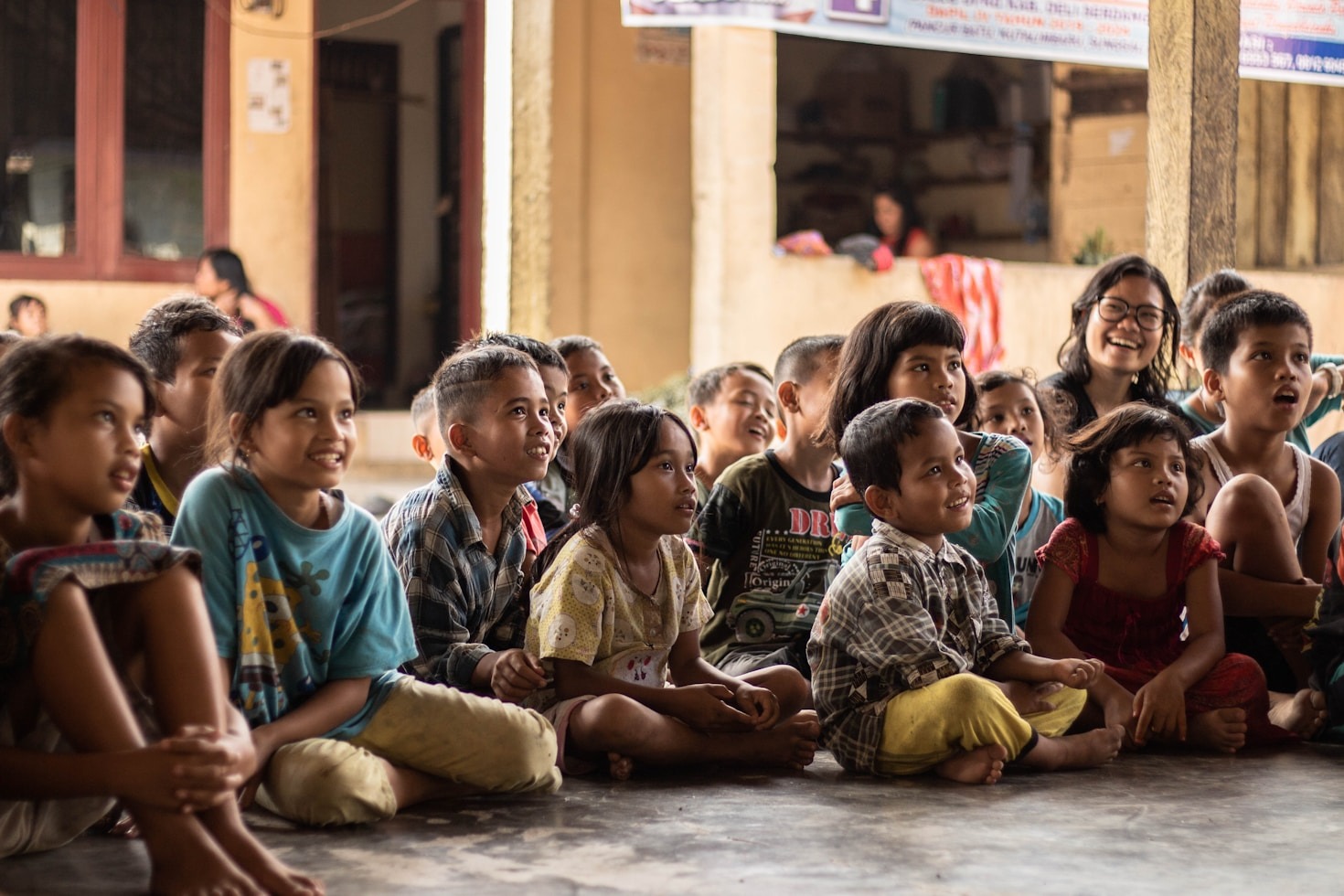
Classrooms provide a safe space where children and young adults from diverse backgrounds can interact, learn empathy, and develop critical thinking skills. When curricula are designed to promote inclusion, human rights, and mutual respect, education becomes a powerful tool to dismantle prejudices and challenge stereotypes before they take root.
Key Ways Education Contributes to Peace
- Fostering Social Cohesion: Inclusive educational environments bring together marginalized and dominant groups, promoting equal opportunities and reducing grievances that often fuel conflict.
- Teaching Conflict Resolution: Modern peace education equips students with non-violent communication, negotiation, and mediation skills, empowering them to resolve disputes peacefully in their communities.
- Promoting Transitional Justice and Historical Memory: Inclusive history curricula help societies confront past injustices honestly, preventing the distortion of facts that can reignite tensions.
- Economic Empowerment: Lack of economic opportunities is a primary driver for youth recruitment into armed groups. Quality education and vocational training provide viable pathways to employment and stability.
Overcoming Challenges on the Ground
Despite its proven benefits, leveraging education for peacebuilding is not without challenges. In many conflict-affected areas, schools are targeted, teachers are threatened, and millions of children are displaced from the formal education system. Furthermore, outdated or biased curricula can sometimes perpetuate division rather than healing it.
To unlock the full potential of education in peacebuilding, international organizations and local governments must prioritize the protection of educational institutions during conflicts. Investment must also be directed toward teacher training, ensuring educators are prepared to handle sensitive topics, trauma-informed teaching, and peace-centric pedagogy.
Looking Ahead
Peace is not merely the absence of war; it is the presence of justice, equity, and understanding. By investing in inclusive, quality education, we invest in the architects of a more peaceful future. As global challenges continue to evolve, the classroom remains our most powerful instrument for lasting transformation.
Leave a Reply